
Smart Respiratory health monitoring system for poultry - Development Update #1
Building practical technology for poultry health starts with solving small problems one step at a time. Over the past few weeks, I have been working on the first prototype of the Smart Respiratory Health Monitoring System for Poultry, a project designed to explore how low-cost embedded systems and artificial intelligence can support early respiratory health monitoring in poultry farms.
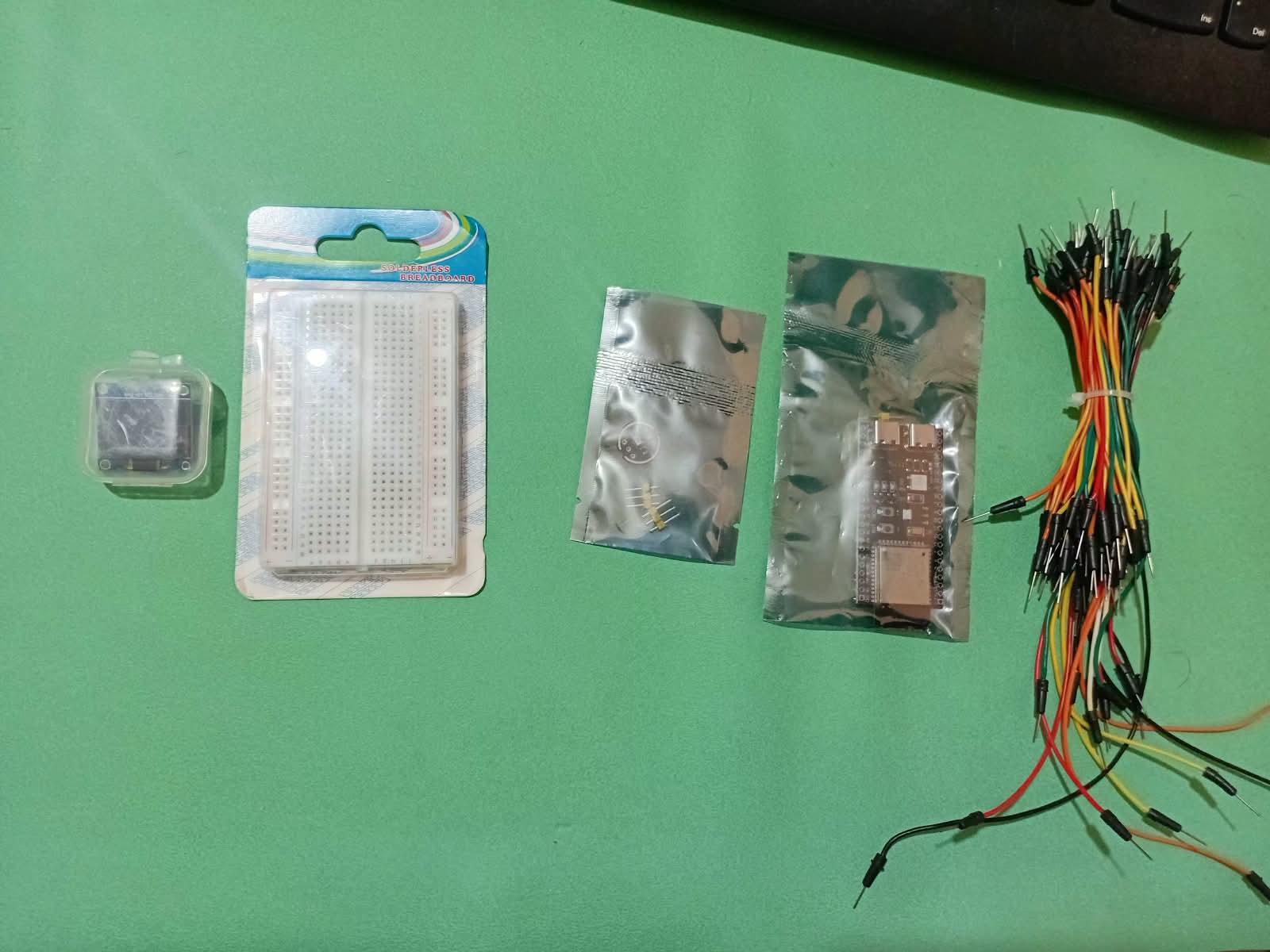
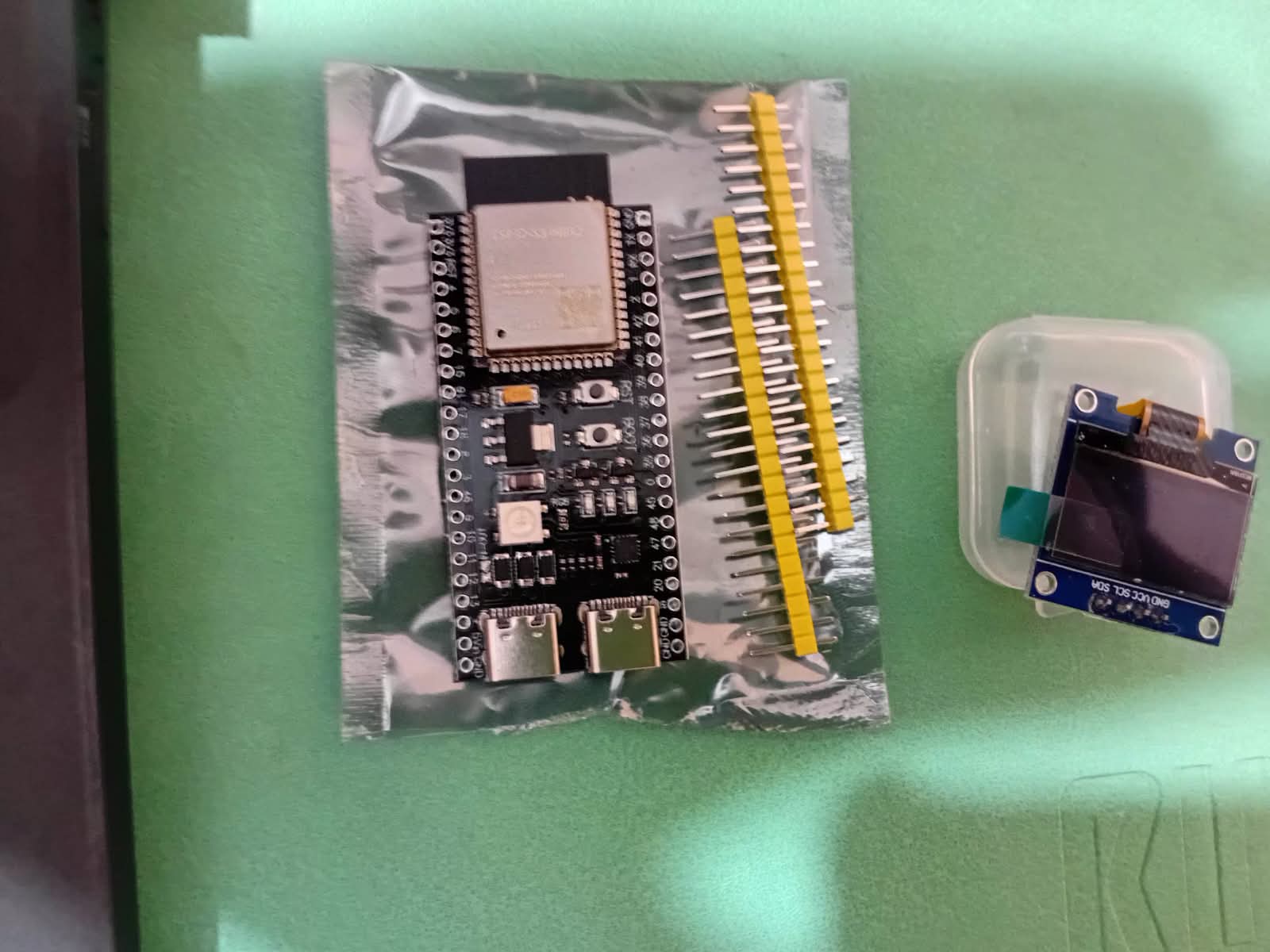
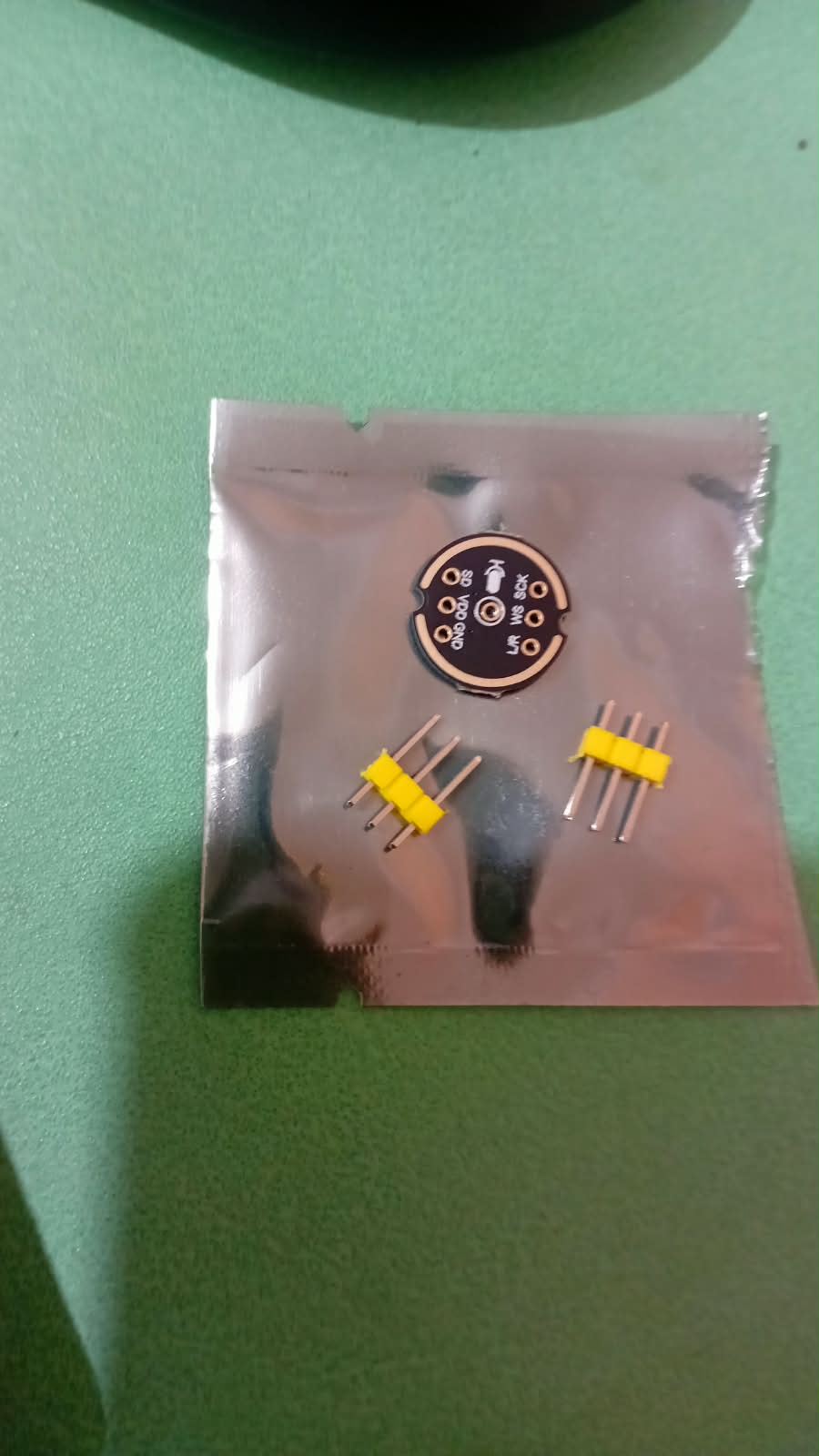
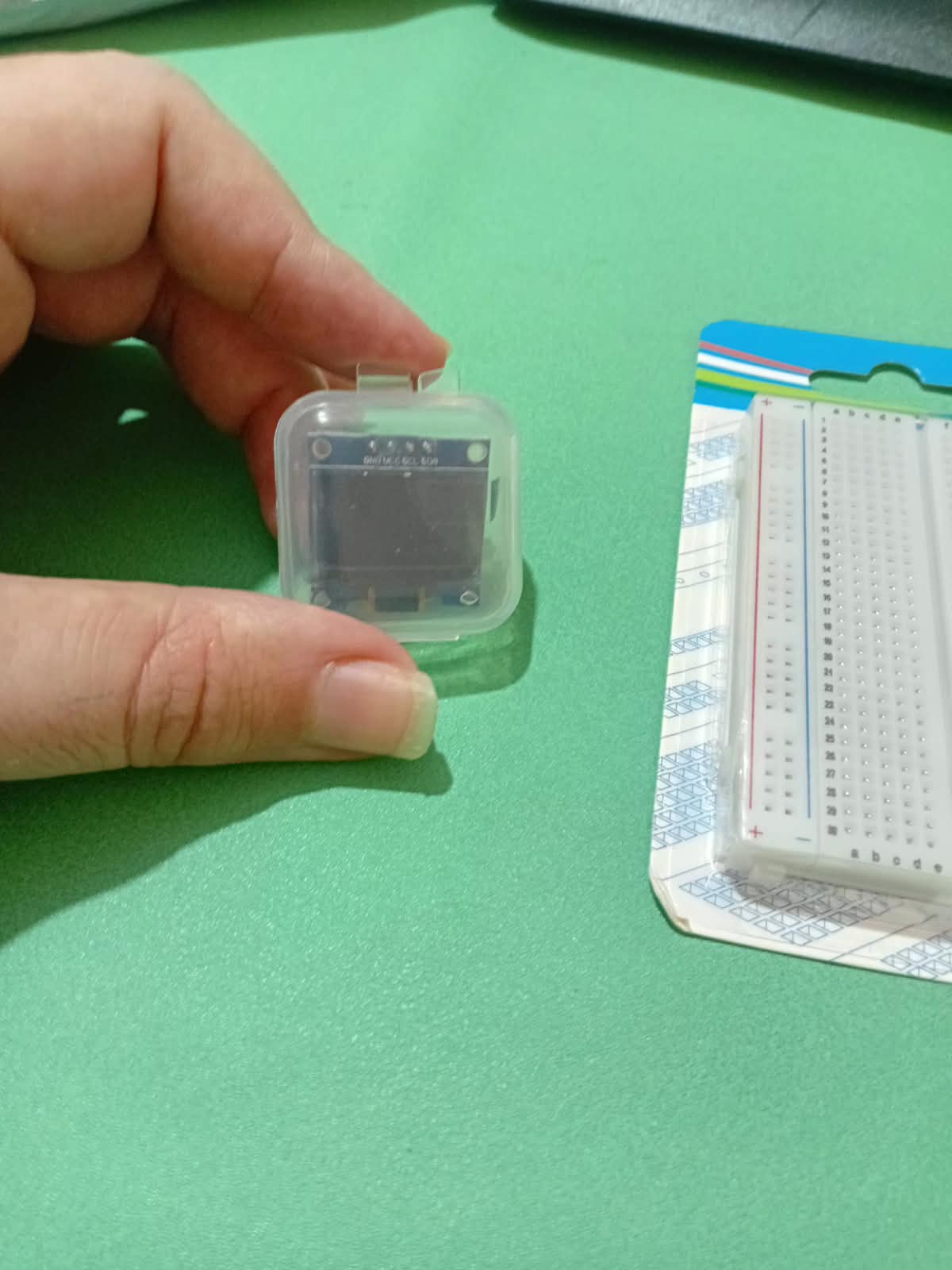
The current prototype is built around an ESP32-S3 development board, an I2S MEMS microphone, and a small OLED display mounted on a breadboard. The goal of this first phase was not to create a finished product, but to prove that a compact edge device could successfully capture and process audio signals in real time.
The development process involved assembling the hardware, wiring the microphone and display, configuring I2S audio communication, and debugging multiple software and hardware issues. One of the biggest challenges was obtaining valid microphone data from the MEMS audio sensor. Several rounds of testing, rewiring, and software adjustments were required before reliable audio capture was achieved and certainly get consultation from experts to make its work.
After successfully establishing communication between the ESP32-S3 and the microphone, I developed a basic audio monitoring application capable of measuring sound activity and displaying real-time sound levels on the OLED display. The prototype can now detect and respond to audio events, demonstrating that the hardware platform is suitable for future poultry sound analysis applications.
This milestone represents the first successful proof of concept for the project. While the system is still at an early stage, it confirms that low-cost hardware can be used as the foundation for continuous audio monitoring inside poultry houses.
The next phase of development will focus on collecting poultry audio datasets, training machine learning models using Google Teachable Machine, and evaluating the system's ability to distinguish between normal flock sounds and abnormal respiratory patterns.
Follow future updates on #ProVetAI as the project continues to evolve from a breadboard prototype into a practical AI-powered poultry health monitoring solution.